
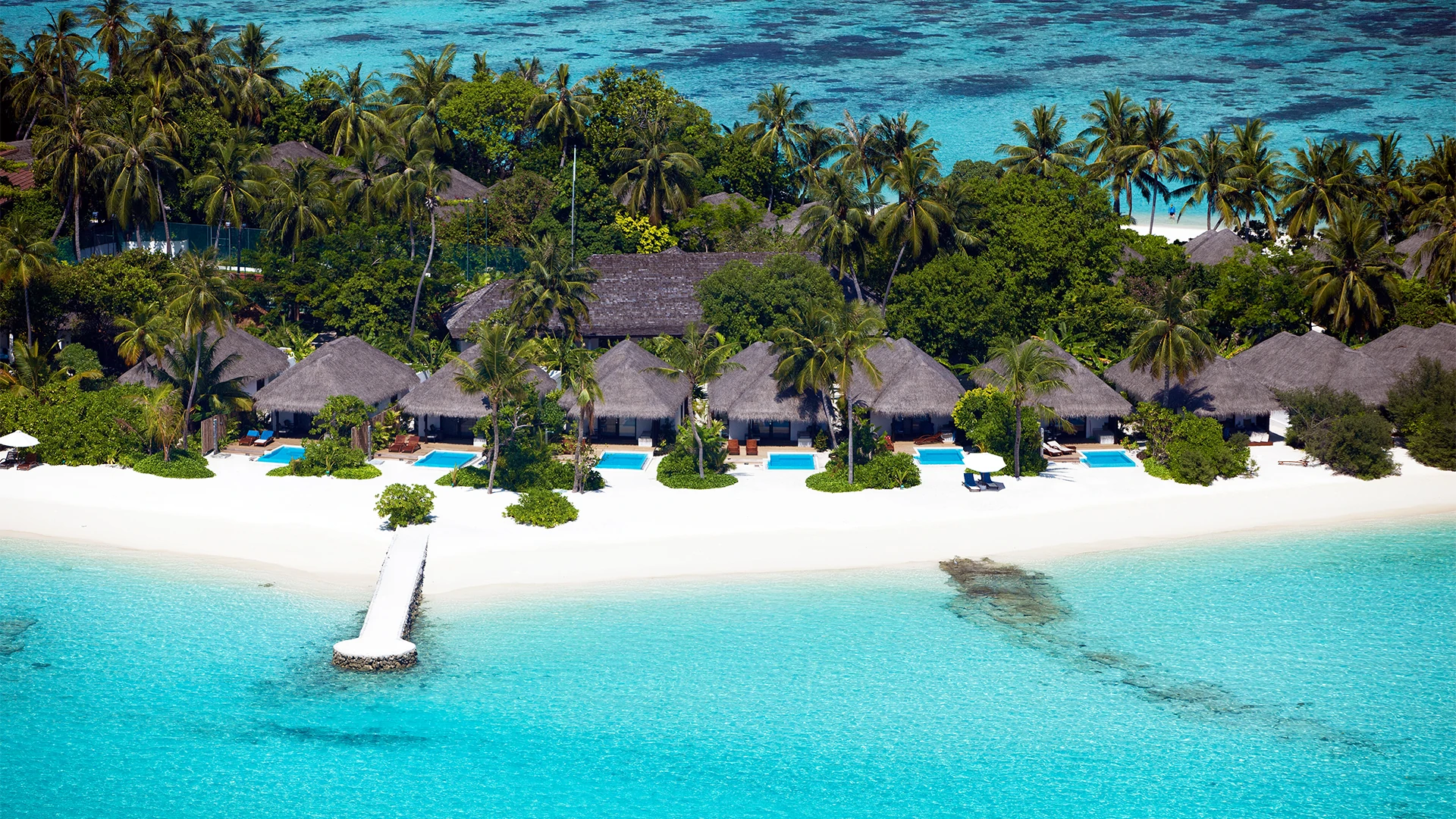
The Maldives is often referred to as paradise turquoise waters, white sand, and marine life straight out of a nature documentary. But like many beautiful places, it’s also fragile. Rising sea levels, plastic pollution, and like too much of anything is always a threat over tourism or what you call tourism saturation are real threats to the Maldives too. The good news? You don’t have to be an environmentalist to make a difference. A few simple choices can help keep this place beautiful for generations to come.
Stay Somewhere That Cares
Not all resorts and guesthouses are created equal. Some go the extra miles to protect the environment using solar power, reducing waste, and supporting conservation. If you want to travel responsibly, look for places that actually care. A few great ones:
If you’re staying on a local island, choose a guesthouse that supports sustainability and the community.
Bonus: it’s usually a more authentic (and affordable) experience.
Cut Down on Plastic
Plastic has become a huge problem in the Maldives as most of it ends up in the ocean, harming marine life. You can help by:
* Bringing a reusable water bottle (most places have refill stations)
* Saying no to plastic straws and cutlery
* Carrying a reusable shopping bag for snacks and souvenirs
Small changes, big impact.
Support Local Businesses
Our resorts are beautiful fancy and amazing in all ways but don’t forget about the local community. Eat at local restaurants, book tours with Maldivian guides, and buy souvenirs from local artisans. Not only does this support the economy, but you’ll also get a more authentic experience.
Be a Good Guest in the Ocean
The Maldives’ coral reefs are stunning, but they’re also delicate. If you’re snorkeling or diving, remember:
* Don’t touch or step on corals (they’re living creatures!)
* Use reef-safe sunscreen sometimes the regular sunscreen contains chemicals that harm marine life.
*Avoid feeding fish as fun as it is it also messes with their natural diet.
The ocean isn’t just there for us to enjoy it’s home to thousands of creatures. Let’s respect it.
Save Water & Energy
Freshwater is scarce in the Maldives, and tourism puts a lot of pressure on resources. A few easy ways to help:
* Take shorter showers (every drop counts!)
* Turn off lights and AC when you leave the room
*Reuse towels instead of requesting daily laundry
You wouldn’t leave the tap running at home would you? Same logic applies here.
Join Conservation Efforts
Want to leave the Maldives better than you found it? Get involved. Many resorts and local organizations offer coral planting, beach cleanups, and marine conservation programs. It’s a small effort that makes a big difference.
Traveling Sustainably is Just Traveling Thoughtfully
Sustainable travel isn’t about giving up comfort or fun it’s about being mindful of the impact we have. By making a few small changes, you can help keep the Maldives as breathtaking as it is today.
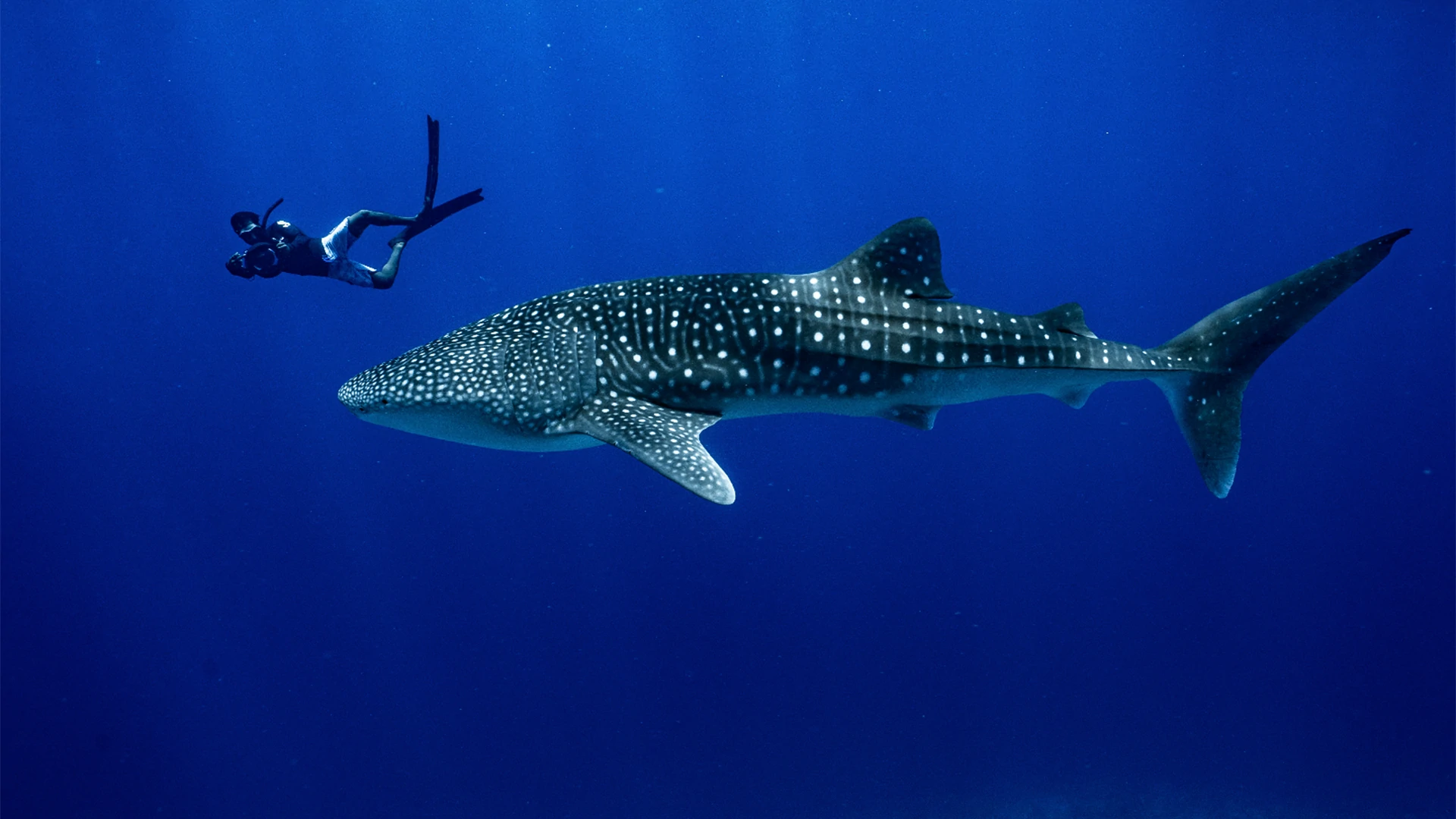
The Maldives is a paradise for ocean lovers, and one of the few places in the world where you can swim with whale sharks and manta rays throughout the year. These gentle giants draw divers and snorkelers from across the globe, providing a truly unforgettable experience. Here’s what you should know before diving in
Where to See Whale Sharks & Manta Rays in the Maldives
1. South Ari Atoll – The Best Place for Whale Sharks
South Ari Atoll is a protected marine area where whale sharks are frequently spotted. For the best chance of seeing these magnificent creatures, consider staying on islands like Dhigurah, Maamigili, or Dhangethi, which are known for their whale shark tours.
2. Hanifaru Bay – Manta Ray Paradise
Located in Baa Atoll, Hanifaru Bay is a UNESCO Biosphere Reserve and one of the top spots in the world to see manta rays. From June to November, hundreds of mantas flock here to feast on plankton, creating a spectacular sight.
Best Time to See Them
• Whale Sharks: You can see these amazing animals year-round, but your best chances are from August to November.
• Manta Rays: These creatures are most commonly spotted between May and November when plankton levels peak.
How to Swim with Them Responsibly
To protect these gentle giants and their habitat, keep the following guidelines in mind:
• Maintain a safe distance: Stay at least 3 meters (10 feet) away from both whale sharks and manta rays.
• Don’t touch or chase: Interfering with them can stress them out and disrupt their natural behaviors.
• Listen to your guide: Always follow the instructions
given by your snorkeling or diving guide to ensure a safe and enjoyable experience.
Booking a Tour
Many local tour operators offer excursions to swim with whale sharks and manta rays. When booking, choose operators committed to ethical wildlife guidelines. Some trusted options include:
• Maldives Whale Shark Research Program (MWSRP)
• Manta Trust
Swimming with whale sharks and manta rays is an incredible experience helping you connect with the incredibly beautiful marine life of the Maldives just follow the simple and safe guidelines while at it. Take it all in enjoy the beauty of it and make lasting memories as you share the water with these gentle giants in one of the most beautiful places on earth.
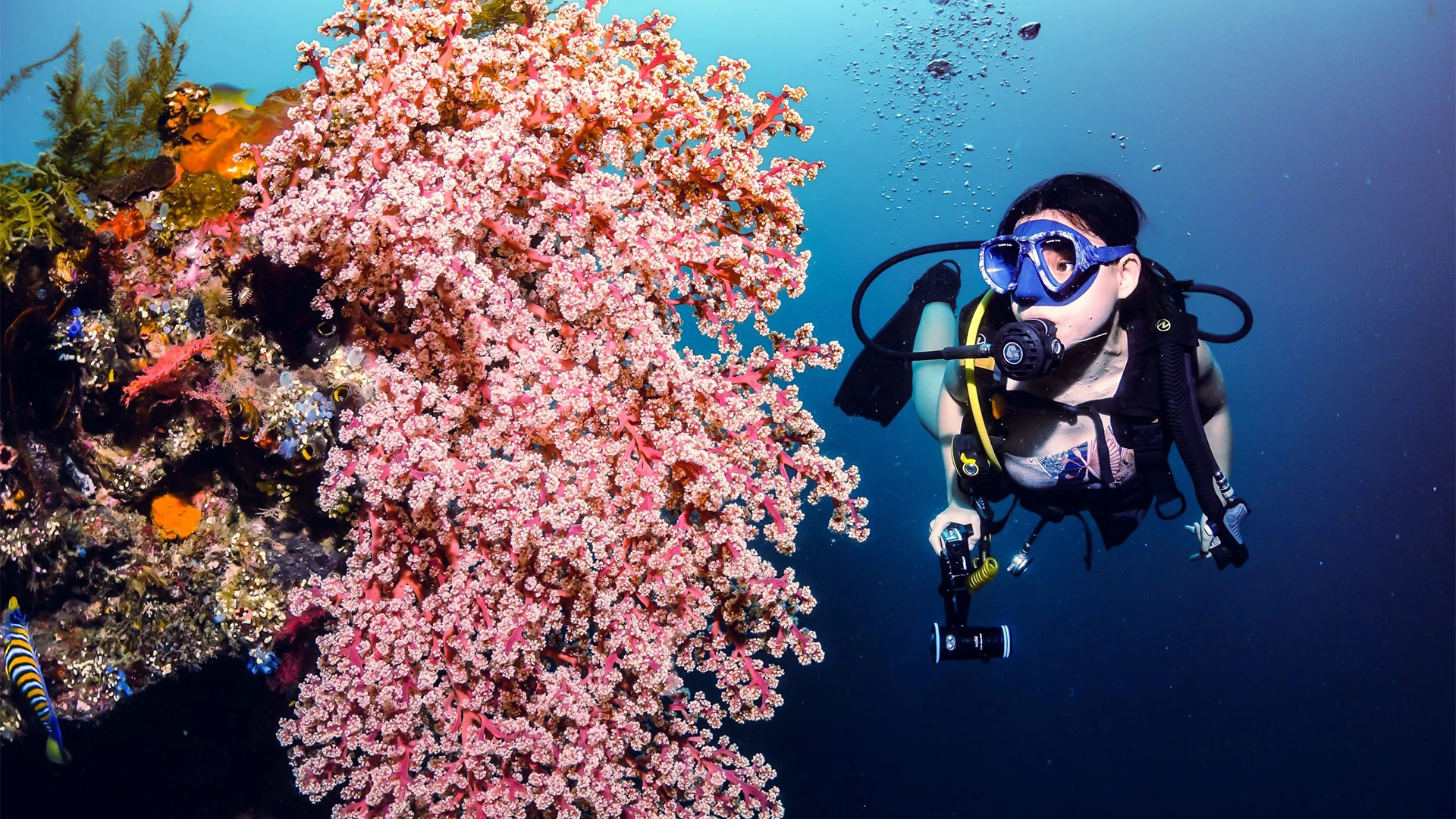
The Maldives is famous for its stunning beaches and luxurious resorts, but beneath the surface lies a vibrant world: the coral reefs. These underwater cities are home to over 2,000 species of fish and 200 species of coral, making them one of the most diverse ecosystems on Earth.
Why Are Coral Reefs Important?
1. Biodiversity Hotspots: Coral reefs provide shelter and food for countless marine species, supporting a rich variety of life.
2. Natural Protection: They act as barriers against storm surges, protecting the islands from erosion and severe weather.
3. Economic Value: Healthy reefs attract tourists for snorkeling and diving, which is crucial for the Maldivian economy.
Threats to Coral Reefs
Coral reefs face several threats, including:
• Climate Change: Rising ocean temperatures cause coral bleaching, leading to weakened reefs.
• Overfishing: Unsustainable fishing practices disrupt the ecosystem.
• Pollution: Runoff and plastic waste harm coral health.
Conservation Efforts
Fortunately, initiatives are underway to protect these vital ecosystems:
• Marine Protected Areas help safeguard reefs from fishing and development.
• Coral Restoration Projects focus on growing and reintroducing coral to the wild.
• Community Engagement promotes sustainable practices among locals and tourists.
Experiencing Coral Reefs
When visiting the Maldives, consider eco-conscious tours that prioritize reef health. Remember to avoid touching coral and participate in local conservation efforts, like beach clean-ups.
Maldivian coral reefs are essential for marine biodiversity and the well-being of the islands. By understanding their importance and supporting conservation, we can help preserve these beautiful underwater cities for generations to come.